Urban environments present unique challenges for planting trees and shrubs. Limited space, soil quality issues, and the harsh effects of pollution can hinder successful landscaping efforts. However, with careful planning and consideration, it is possible to create vibrant green spaces that not only enhance the aesthetics of a property but also contribute to ecological health. This article delves into best practices for planting trees and shrubs in urban settings, focusing on practical strategies that homeowners and landscape professionals can implement.
Understanding Urban Soil Conditions
One of the first considerations when planting in an urban environment is the condition of the soil. Urban soils are often compacted due to heavy foot traffic, construction, and vehicular movement, which can impede root growth. Additionally, these soils may have poor drainage or be contaminated with pollutants.
To improve soil conditions, start by conducting a soil test. This will provide information on pH levels, nutrient content, and potential contaminants. Based on the results, you can amend the soil with organic matter such as compost or well-rotted manure to enhance its structure and fertility. Aeration techniques can also help alleviate compaction. Consider using a garden fork or specialized aeration tools to create channels in the soil that allow roots to breathe and absorb nutrients more effectively.
Selecting Suitable Tree and Shrub Species
Choosing the right species is crucial for success in urban landscaping. Some plants thrive better than others under challenging conditions typical of cities. When selecting trees and shrubs, consider factors such as size at maturity, root structure, tolerance to pollution, drought resistance, and adaptability to varied light conditions.
Native species are often ideal choices for urban landscapes because they are well adapted to local conditions and require less maintenance once established. For example, Eastern Redbud (Cercis canadensis) offers beautiful spring flowers while being resilient against urban stressors. Other options include Serviceberry (Amelanchier spp.), which provides seasonal interest through blossoms and berries; or Black-eyed Susan (Rudbeckia hirta), known for its hardy nature and vibrant blooms.
In addition to native species, consider cultivars bred for urban environments that exhibit traits like reduced height or disease resistance. Research local resources or consult with a landscape professional familiar with professional residential softscaping services regional plant selections to ensure your choices align with both aesthetic goals and environmental needs.
Planning Your Landscape Design
A well-thought-out landscape design not only enhances curb appeal but also maximizes functionality in limited spaces. Start by mapping out your property dimensions and identifying existing features such as walkways, patios, or other structures that might influence plant placement.
When designing your layout, think about how sunlight moves across your yard throughout the day since tree positioning affects light availability for nearby plants. For instance, taller trees should be placed where they won’t cast excessive shade over smaller shrubs or flower beds that require full sun exposure.
Consider incorporating layers into your design—placing taller trees toward the back or center of a yard while arranging shorter shrubs at the front creates depth and visual interest. Additionally, group plants with similar water and light requirements together to simplify maintenance tasks such as watering and fertilizing.
Implementing Smart Irrigation Practices
Water management is essential for healthy plant growth in urban settings where rainfall may be inconsistent. Installing an efficient irrigation system tailored to your landscape's specific needs can greatly enhance plant survival rates during dry spells.
Drip irrigation systems are particularly effective in urban gardens because they deliver water directly to plant roots while minimizing waste through evaporation or runoff. If opting for traditional sprinklers instead, consider using smart technology that adjusts watering schedules based on current weather conditions—this approach conserves water while promoting healthy growth.
Mulching around newly planted trees and shrubs is another effective strategy to retain moisture in the soil while suppressing weeds that compete for resources. Organic materials like wood chips or straw break down over time; thus improving soil health alongside their initial functional benefits.
Timing Your Planting
Timing plays a significant role in establishing healthy trees and shrubs within urban environments. The best time typically depends on climate zones; however most experts recommend planting during fall or early spring when temperatures are moderate yet conducive enough for root establishment without undue stress from heat or frost.
For many species, fall planting allows roots ample time to grow before winter dormancy sets in; thus creating stronger specimens ready for vigorous growth come springtime. Conversely if planting during spring months wait until after any danger of frost has passed—this timing aids young plants’ survival by preventing cold damage during vulnerable stages of development.
When preparing young plants for transplanting ensure they have been adequately watered prior to moving them from their nursery pots; this practice helps reduce shock upon relocation into new environments—a common issue faced by many freshly planted specimens leading them towards potential decline if not managed properly.
Maintenance After Planting
Once your trees and shrubs are planted successfully attention must shift towards ongoing care practices crucially important especially within urban landscapes where competition exists from pavement structures pollutants pests etcetera threatening plant health longevity.
Regular watering remains vital especially during prolonged dry periods ensuring young roots develop robustly throughout their formative years—consider setting reminders within personal calendars indicating when irrigation checks should occur regularly until established fully within local ecosystems which typically takes one full growing season depending on specific varietals chosen initially planned layout configurations etcetera!
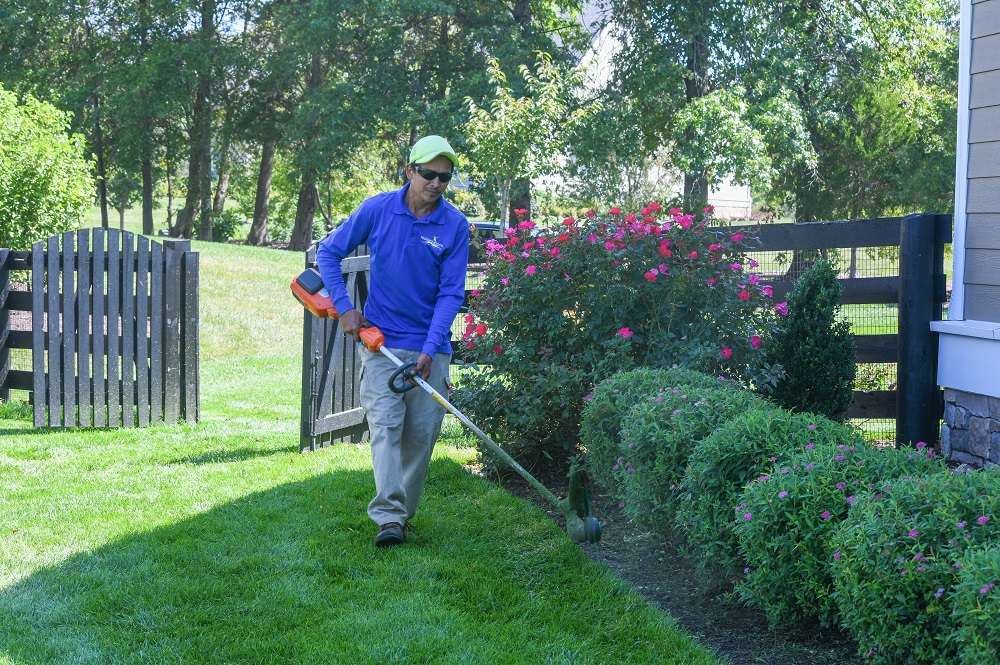
Pruning serves another essential function promoting optimal shape encouraging airflow reducing susceptibility pest infestations diseases resulting from overcrowding foliage lack air circulation could lead detrimentally impacting overall vitality following initial establishment phases mentioned earlier thus ensuring maintenance routines remain consistent thereafter leading towards sustainable flourishing landscapes capable thriving amidst complexities encountered frequently within dense metropolitan areas alike!
Finally do not underestimate value engaging locally available resources knowledge bases relating horticultural expertise surrounding challenges faced managing residential outdoor spaces effectively finding solutions tailored specifically needs individual properties wherever possible leveraging expertise gained through years experience working closely diverse clientele looking improve their surroundings aesthetically sustainably alike!
Engaging Community Resources
Urban landscaping often involves collaboration among various stakeholders including city planners neighborhood associations private businesses residents themselves seeking enhance quality life through greenery beautification projects community gardens educational initiatives promote awareness regarding importance preserving natural habitats biodiversity even small scale efforts can yield significant impacts collectively fostering connections between people nature restoring balance increasingly strained environments today’s world faces constantly evolving pressures arising social economic factors affecting everyday lives all around us!
Engage local gardening clubs botanical gardens extension services universities encourage partnerships leverage pooled knowledge resources resulting greater efficiencies effectiveness transforming visions into realities! Furthermore consider participating outreach programs schools educate younger generations instilling appreciation understanding plants role ecosystems inspiring future caretakers green spaces everywhere contribute positively shaping communities beyond mere aesthetics promoting healthier lifestyles enriching experiences everyone involved ultimately leading towards thriving vibrant neighborhoods filled life color joy harmony tranquility enjoyed passed down through ages generations generations yet come!
By adhering thoughtfully principles outlined herein embracing opportunities presented through modern approaches addressing unique challenges inherent heavily developed regions we can cultivate lush inviting sanctuaries amidst concrete jungles enriching lives building connections fostering ecological resilience paving pathways towards sustainable futures worthy aspirations every homeowner desires achieve!